
CONVERSION & CUSTOMIZATION
Modified & Custom Shipping Containers
A shipping container conversion starts with the condition and limitations of the source shell.
TOPWAY® BOX can review your proposed use, doors, openings and internal requirements to help define a modification scope, or identify when a purpose-built custom enclosure is a more suitable starting point.
Request a Quote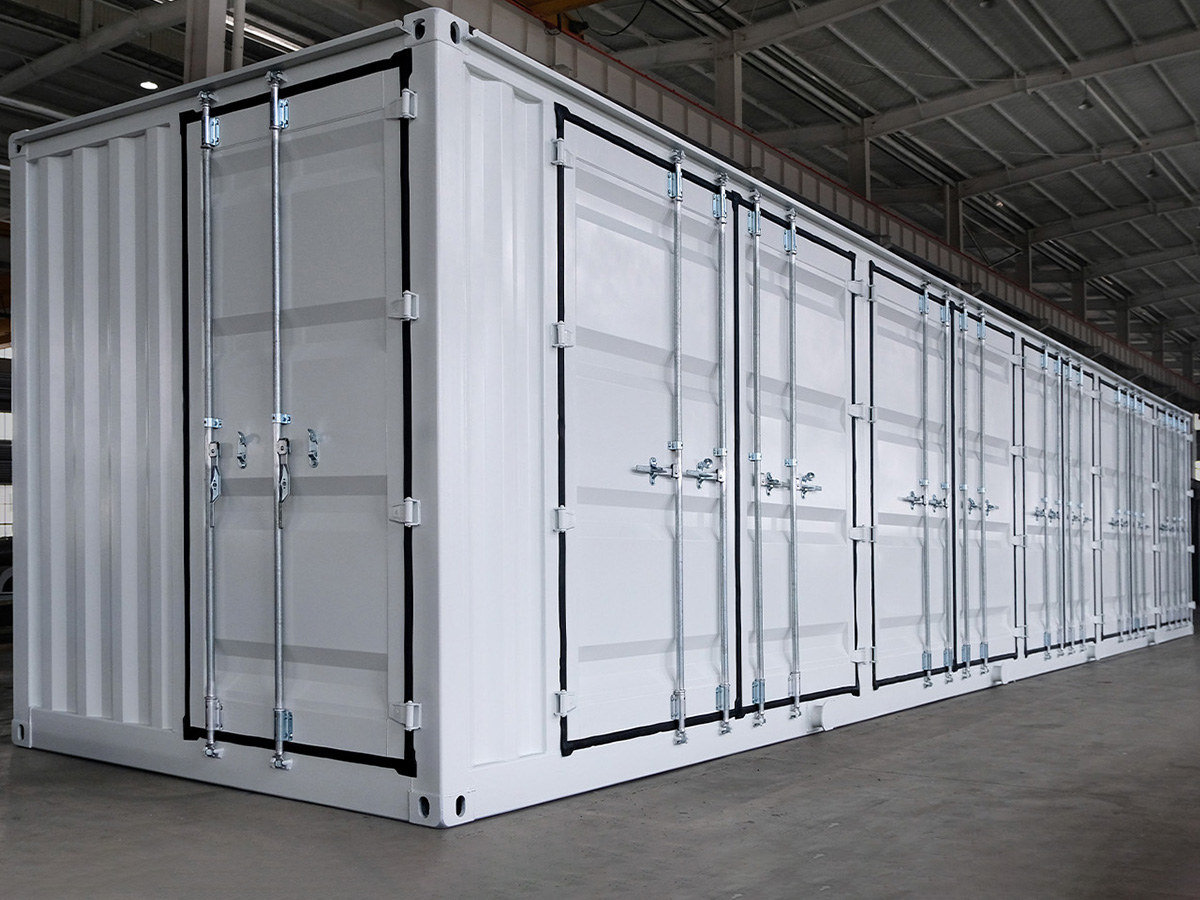
01 / PRODUCT DETAILS
Agree the starting shell before planning the conversion
The source container affects the usable space, existing floor and doors, repair work and proposed structural changes. Include the type, condition, photographs and available identification or drawings in the initial enquiry. Confirm who will supply it and who will assess its suitability.
A new custom-built enclosure is a separate manufacturing route. If the required width, openings or internal loads do not suit the proposed shell, the project should compare the two routes before committing to a conversion scope.
02 / PRODUCT DETAILS
Modification details to define in the brief
Access doors and windows
Mark the location, clear opening, opening direction and intended use of each new door or window. Consider access from outside and the space occupied by the door when open.
Structural openings
Large side openings, equipment penetrations or removal of wall sections must be reviewed with the surrounding structure. Define reinforcement and the finished edge details as part of the work.
Insulation and internal lining
State the operating environment and the required internal finish. Allow for the space occupied by linings and coordinate them with doors, windows and service penetrations.
Equipment and utility interfaces
Identify mounting positions and any electrical, piping, ventilation or air-conditioning interfaces. Separate interface provision from supply, installation and commissioning of complete systems.
Internal arrangement
Provide a layout showing the intended working zones, partitions and clear routes. Locate maintenance access before fixing the final arrangement.
Surface preparation and finish
Document the existing surface condition and the required final finish. The repair and coating scope should follow the assessed shell and project environment.
03 / PRODUCT DETAILS
Use-specific fit-out needs a separate specification
A conversion for equipment, work space or another use needs its own configuration list. Define what must be complete at factory handover and what will be installed at the destination.
Residential layouts, office facilities and accommodation rooms each have additional requirements. Their detailed fit-out belongs in the corresponding application brief rather than being assumed from a general shipping container modification description. Any building approvals, site connections or occupancy requirements need a clearly assigned scope.
04 / PRODUCT DETAILS
Review the transport plan after modification
Changes to openings, structure, weight or installed equipment can affect how the finished unit is handled and transported. State whether the unit will be moved empty or fitted out, whether repeat relocation is expected and how it will be unloaded.
The original container’s identification or approval cannot by itself confirm suitability after modification. Applicable inspection, approval and carrier requirements must be reviewed for the finished design and its intended transport use. No existing BIC registration, CSC approval or type certification is claimed here for TOPWAY BOX.
05 / PRODUCT DETAILS
Make the conversion quotation specific
- Source container: supplier, type, condition, inspection and any repair scope
- Structural work: openings, reinforcement, bases and approved drawings
- Fit-out: included materials, finishes and interface provisions
- Equipment and services: supplier responsibilities and installation limits
- Verification: agreed checks, records and handover documents
- Delivery: finished transport dimensions, handling arrangement and site responsibilities
06 / PRODUCT DETAILS
Send your starting point and intended outcome
For an existing container, send photographs of all sides, the interior, floor and relevant identification together with your layout. If you have not sourced a container, say so. Include the intended use, location, quantity, configuration and delivery timing so the starting route can be reviewed.
Modified & Custom Shipping Containers FAQ
Is a modified shipping container the same as a new custom-built container?
No. A modification uses an existing source shell as the starting point; a new custom-built container is fabricated to the agreed design. The proposed route and responsibility for the source shell should be stated in the quotation.
Can I provide my own container?
Tell us the type, condition and location, and send current photographs. Acceptance of a customer-supplied shell and the inspection or repair scope need project confirmation before work is agreed.
Can new doors, windows or large openings be added?
They can be included in the proposed modification brief. Positions, sizes and structural reinforcement need technical review before fabrication; a reference image alone is not a manufacturing instruction.
Does the conversion include insulation and complete electrical or plumbing systems?
The quotation must list each included item. Insulation, lining and interfaces should be distinguished from complete installed and commissioned systems.
Can a modified container still be shipped as a standard freight container?
That depends on the modification and the transport requirements. Review the finished design, relevant documents and acceptance conditions with the responsible parties before confirming the shipment route.

Toppy is here to help.
Plan the conversion before cutting the shell
Send your source-container details and proposed layout. We can discuss the structural work, configuration and responsibilities that need to be defined.
Request a Quote